Henrik Sullivan · 22 October 2026
Lumenberg’s Amateur Astronomers Host Stargazing Nights Amid Light Pollution Concerns
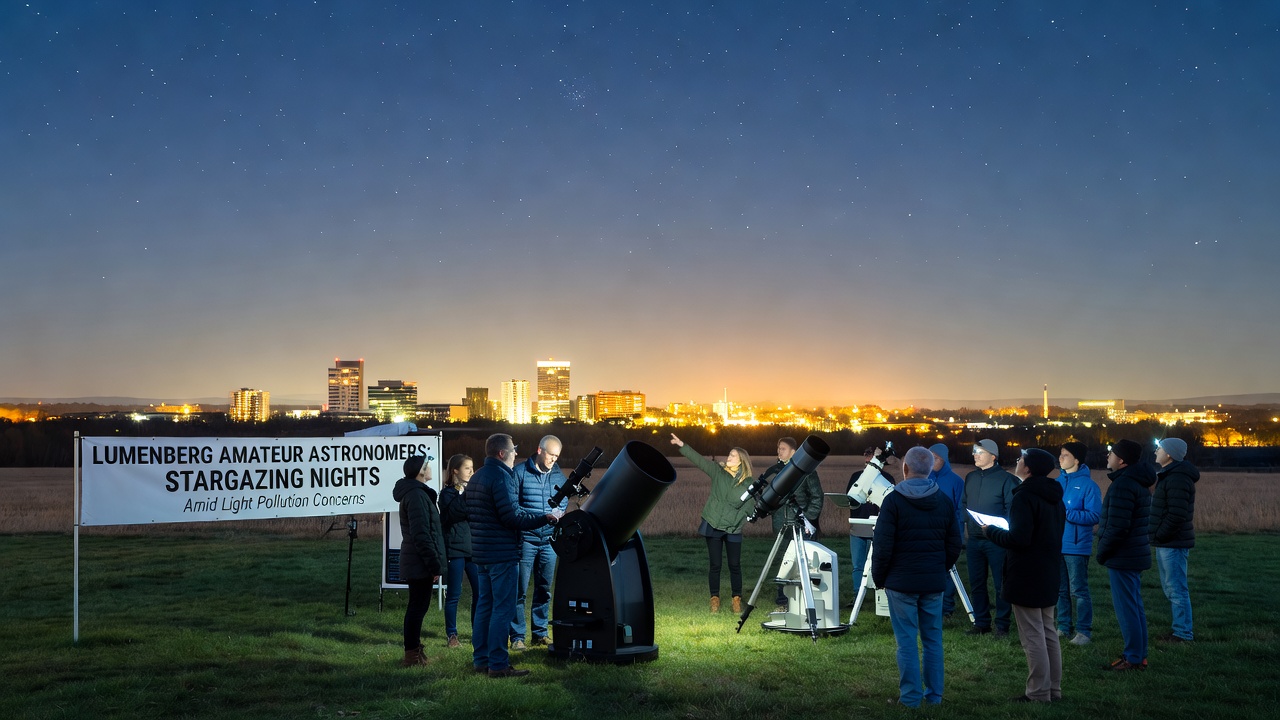
Amateur astronomers in Lumenberg have scheduled multiple stargazing nights that extend through October 2026, and these gatherings bring residents together to observe celestial objects while local groups discuss strategies for managing light pollution that affects visibility across the city. The Lumenberg Astronomical Society coordinates the events at designated parks and open fields, where participants set up telescopes and receive guidance on identifying constellations and planets. Organizers report that attendance has grown steadily in recent years, with sessions typically running from dusk until late evening and attracting families, students, and visitors interested in astronomy basics.
Event Structure and Participation
Each stargazing night follows a structured format that begins with an orientation session on equipment safety and viewing techniques, followed by guided observations of specific targets such as the moon, Jupiter, or seasonal star clusters. Volunteers from the society rotate through stations to assist newcomers, and data collected during these sessions feeds into ongoing records of sky conditions maintained by the group. Attendance logs from past events show consistent turnout of several hundred people per night, with October dates chosen because clearer autumn skies often coincide with favorable weather patterns in the region. Participants receive printed star charts and access to mobile apps that help track planetary positions throughout the evening.
Light Pollution Data and Measurements
Light pollution measurements taken at event sites indicate that sky brightness has increased over the past decade, a trend documented through handheld sky quality meters used by society members. These readings align with broader findings from research institutions that track urban light emissions and their effects on astronomical observation. According to reports from the International Dark-Sky Association, excessive artificial lighting scatters in the atmosphere and reduces contrast for faint objects, which directly impacts the quality of stargazing sessions in populated areas. The society compiles its own datasets from multiple locations around Lumenberg and shares summaries with municipal planning departments to support discussions on lighting standards. International Dark-Sky Association resources provide additional context on measurement protocols that local volunteers follow during routine monitoring.
Observers note that certain districts experience higher levels of skyglow due to commercial signage and street lighting configurations, while other neighborhoods maintain darker conditions that allow better visibility of the Milky Way on clear nights. The society adjusts event locations seasonally to take advantage of these variations, and members collaborate with environmental monitoring groups to map changes over time. Data from these efforts show that targeted reductions in upward light spill can improve sky quality within a few months, a result confirmed through repeated meter readings at fixed points.
Community Response and Mitigation Efforts
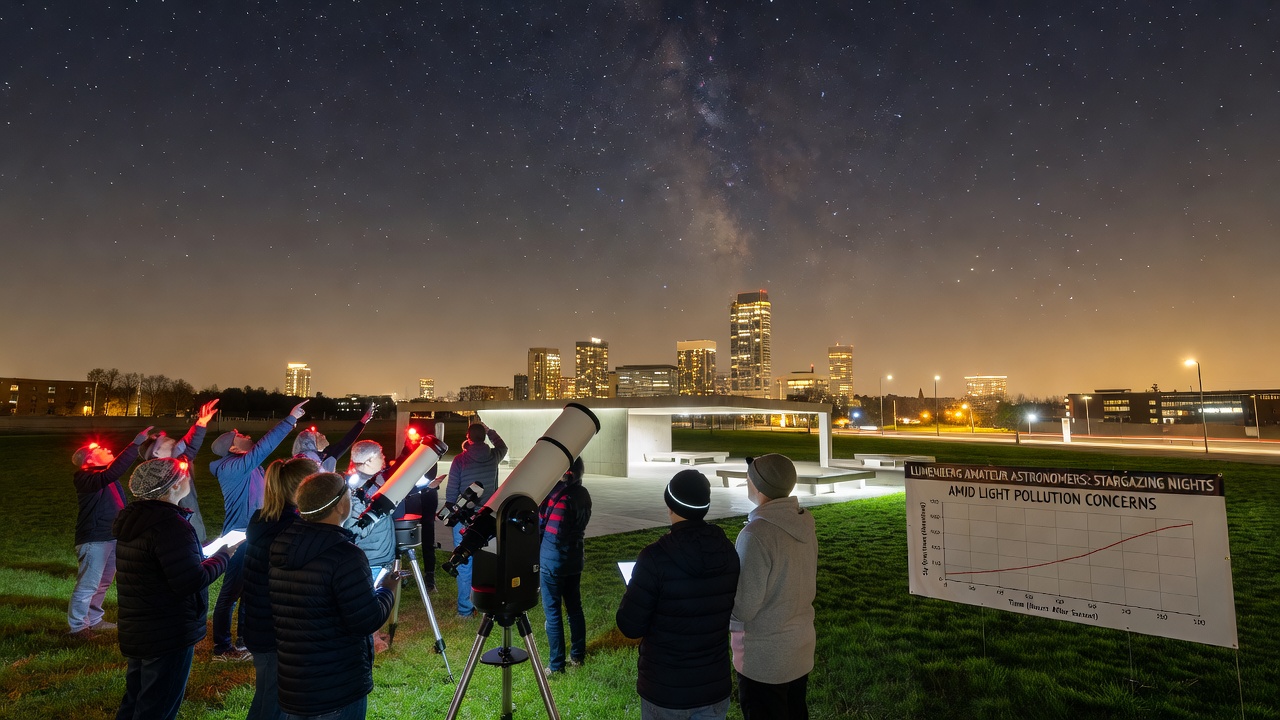
Local businesses and residents have begun experimenting with shielded fixtures and lower-intensity bulbs in response to information shared at stargazing events. The society distributes educational materials that outline practical steps for reducing unnecessary lighting without compromising safety, and these resources draw from guidelines developed by lighting engineers and urban planners. Workshops held alongside the main observation sessions cover topics such as fixture selection and timer installation, with demonstrations that show measurable differences in light direction and intensity. City records indicate that several public parks have updated their lighting systems over the past two years, resulting in lower recorded sky brightness during follow-up surveys conducted by astronomy volunteers.
Schools in the Lumenberg area incorporate information from these events into science curricula, where students analyze light pollution data collected by the society and compare it against national datasets. NASA maintains public archives on artificial light at night that researchers and educators reference when discussing regional patterns, and these materials help students understand how local measurements fit into larger environmental studies. NASA archives on night lights offer satellite imagery that illustrates urban light distribution across multiple continents, providing context for Lumenberg-specific findings. Participation in these educational components has expanded to include adult learners who attend evening sessions after work.
Long-Term Observations and Records
Over multiple seasons the society has built a timeline of sky quality that spans several years, and this record helps identify which mitigation measures produce the most noticeable improvements. Comparisons with data from similar-sized cities in other regions reveal that Lumenberg experiences comparable challenges but benefits from active community involvement in monitoring. Regular reports submitted to regional environmental agencies contribute to wider databases used for policy development, while members continue to refine their measurement techniques through training sessions and equipment upgrades. These ongoing activities ensure that stargazing nights remain a consistent platform for both observation and information exchange.
Conclusion
The combination of regular stargazing events and systematic light pollution tracking gives Lumenberg residents direct access to both the night sky and the tools needed to preserve viewing conditions. Continued data collection through October 2026 and beyond supports informed decisions about lighting practices across the city, while participation numbers demonstrate sustained public interest in astronomy and environmental monitoring. The society's records and community partnerships provide a foundation for future sessions that adapt to changing conditions while maintaining focus on accurate observation and measurement.