Hugo Bauer · 21 October 2026
Lumenberg Youth Groups Organize Intergenerational Storytelling Sessions at Local Cafes
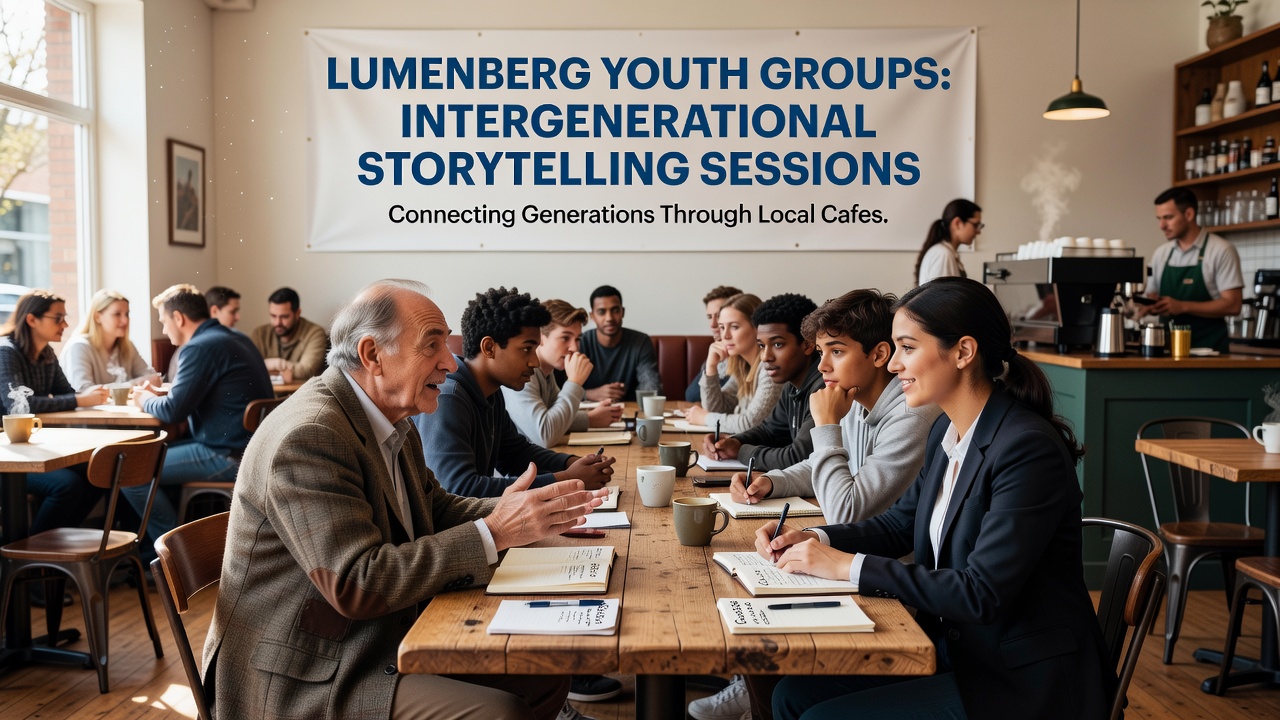
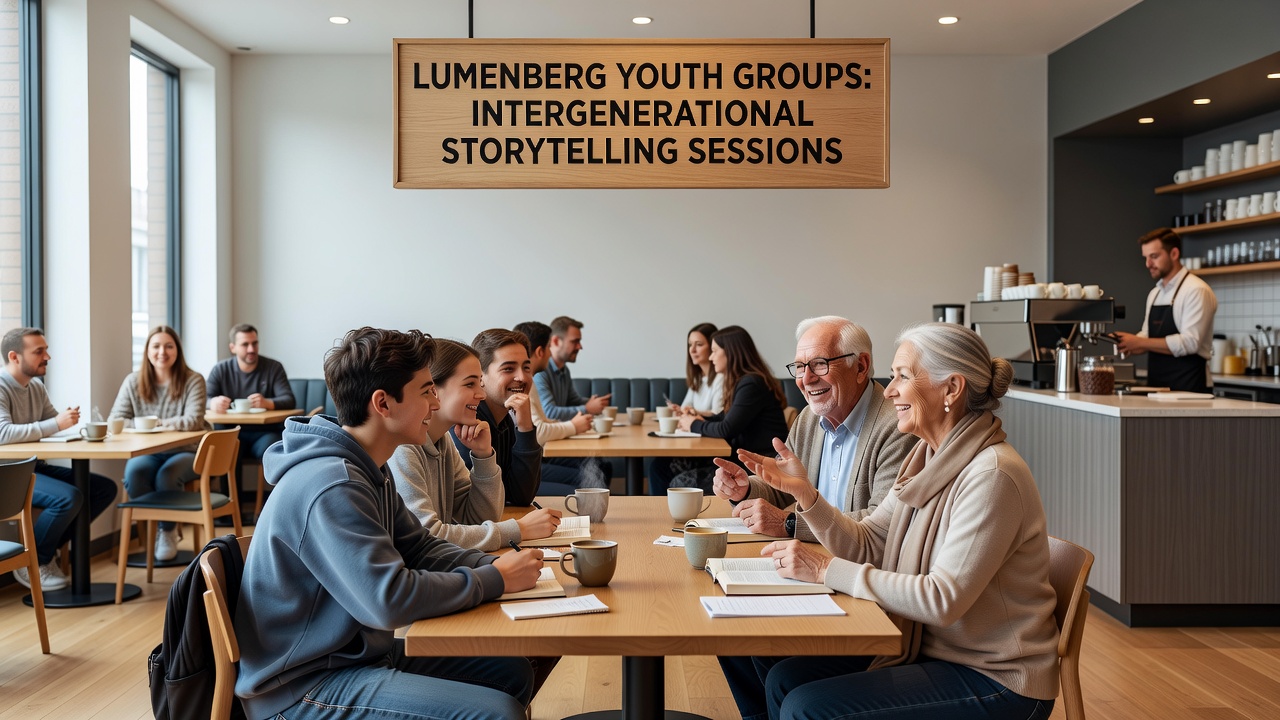
Youth organizations across Lumenberg have launched a series of intergenerational storytelling sessions that bring teenagers and older residents together at neighborhood cafes, and these gatherings have expanded steadily since their start last year. The programs pair local high school groups with senior centers to create structured yet relaxed evenings where participants exchange personal histories, family traditions, and neighborhood memories while seated at cafe tables with coffee and pastries nearby.
Program Structure and Weekly Format
Each session runs for roughly ninety minutes on Tuesday and Thursday evenings at five participating cafes scattered through the city center and outer districts. Facilitators from the youth groups open the evening with a short prompt such as favorite childhood games or changes observed in local streets over decades, after which small groups of four or five people take turns speaking and listening. Organizers rotate the prompts every month so that topics remain fresh while still encouraging deeper reflection, and they supply simple printed cards with optional questions to keep conversations moving when needed.
Attendance has grown from an initial twelve participants per cafe to an average of twenty-eight this fall, according to records kept by the coordinating youth council. Cafes donate the space and a modest amount of refreshments in exchange for increased foot traffic during normally quiet midweek hours, and several owners report that regular customers now time their visits to coincide with the storytelling nights because the atmosphere feels lively yet respectful.
October 2026 Expansion and Special Events
In October 2026 the groups plan to add two extra sessions focused on local history, inviting historians from the municipal archive to sit in and answer questions after the stories conclude. One of these special evenings will take place at the historic riverside cafe that opened in 1897, and organizers expect turnout to exceed forty people because the location itself sparks memories of the old market that once operated on the adjacent square. Another session will coincide with the city’s autumn festival weekend, allowing visiting relatives to join and hear stories that connect Lumenberg’s past with its present-day neighborhoods.
Participant Experiences and Observed Patterns
Those who have attended multiple sessions note that conversations often move from light anecdotes to more personal accounts once trust builds across the age groups. One teenager who has helped organize four evenings described how a retired carpenter recounted rebuilding storefronts after the floods of the 1970s, and the details prompted several younger listeners to ask follow-up questions about construction techniques still visible in today’s buildings. Meanwhile, seniors have mentioned that hearing current students talk about their weekend jobs and social media habits gives them a clearer picture of daily life for the next generation.
Researchers at the regional university have begun documenting attendance and conversation themes through anonymous surveys, and early figures show that repeat participation stands at sixty-two percent among both age cohorts. The same study team has compared these numbers with similar programs in other European cities and found that Lumenberg’s cafe-based model achieves higher retention because the neutral, public setting reduces the formality that sometimes accompanies events held inside community centers or schools.
Logistics and Partnerships Behind the Scenes
Youth groups handle promotion through school announcements and social media posts aimed at both teenagers and their grandparents, while senior centers distribute flyers during their weekly coffee mornings. Transportation remains a minor hurdle for some older residents, so two cafes located near bus stops have been prioritized for the October schedule. Local bus operators have agreed to extend evening service by thirty minutes on those nights, a change that began in September and will continue through the end of the year.
Funding comes from a small municipal grant awarded to the youth council plus donations collected at each session in a simple jar near the register. The money covers printing of prompt cards and occasional guest speakers, though most expenses stay low because cafes absorb the bulk of the hospitality costs. Organizers track every euro spent and publish quarterly summaries on the youth council website so participants can see exactly where contributions go.
Conclusion
The intergenerational storytelling sessions continue to evolve as more cafes express interest in hosting and additional youth groups request training to become facilitators. By October 2026 the program will have run for eighteen consecutive months, and the steady increase in attendance plus the planned archive collaborations suggest the format has found a sustainable place within Lumenberg’s community calendar. Data collected so far indicates that simple, recurring gatherings in everyday spaces can create consistent opportunities for cross-generational exchange without requiring large venues or complex logistics.